Parenting Tips & News

Insights, ideas, and updates from the TinyTots family to help your little one thrive.

When Should Kids Start Preschool

When Should Kids Start Preschool?

One of the biggest milestones in a child's early years is starting preschool. As a parent, you might wonder: "Is my child ready?" or "What is the ideal age for kindergarten?"

At Tiny Tots Kindergarten, we know that every child is unique, but understanding the general age guidelines can help you make the best decision for your little one's future.

Understanding the Ideal Age for Preschool and Kindergarten

Most children start playgroup or preschool between the ages of 18 months to 3 years. This early start focuses on socialization, sensory exploration, and basic skill development in a nurturing environment.

Here's a typical age breakdown for early childhood programs:

  • Playgroup: 2 years to 3 years
  • Nursery: 3 years to 4 years
  • Junior KG (Pre-Kindergarten): 4 years to 5 years
  • Senior KG (Kindergarten): 5 years to 6 years

Signs That Your Child is Ready for Preschool

Every child develops at their own pace, but here are some positive signs that indicate readiness for preschool:

  • ✅ Can separate comfortably from parents for short periods
  • ✅ Begins showing interest in group activities and playing with other children
  • ✅ Follows simple instructions and routines
  • ✅ Demonstrates curiosity about surroundings and new experiences
  • ✅ Is toilet-trained or showing progress toward it (depending on school requirements)

Why the Right Age Matters

Starting preschool at the right time helps children:

  • Build strong emotional and social skills
  • Develop early language, math, and cognitive abilities
  • Gain independence and self-confidence
  • Learn through structured play, stories, and hands-on activities

When children start school before they are emotionally or developmentally ready, they might feel overwhelmed, making the transition challenging for both child and parent.

Choosing the Best Preschool Environment

Besides age, it's equally important to choose a preschool that offers:

  • A safe and nurturing atmosphere
  • Experienced and caring educators
  • A play-based, activity-rich curriculum
  • Opportunities for early communication, creativity, and exploration

At Tiny Tots Kindergarten, we focus on age-appropriate learning experiences that nurture each child's natural growth, ensuring they are confident and school-ready when they step into formal education.

FAQs About Kindergarten Age (2025 Update)

Q: Can my child start Nursery if they just turned 2.5 years old?
A: Yes! If your child shows social readiness and basic independence, 2.5 years is an ideal time to begin Nursery.

Q: Is it okay to delay preschool by a year?
A: In some cases, a slight delay can be beneficial if the child needs more time emotionally. Talk to educators to assess readiness.

Q: What if my child's birthday falls mid-academic year?
A: Many schools, including Tiny Tots, have flexible admission policies to accommodate such cases without disrupting learning milestones.

In Conclusion

Starting preschool is an exciting and emotional step — for both children and parents. Trust your instincts, observe your child's readiness, and choose a school that feels like a second home.

At Tiny Tots Kindergarten, we are committed to supporting your child's first steps into a lifelong love of learning! 🌟

Healthy Lunch Ideas

Healthy Lunch Ideas That Children Actually Love

Packing a nutritious lunch that your child will actually eat can feel like solving a puzzle every morning. The secret? Make it colourful, bite-sized, and fun. Here are our teachers' go-to ideas that pass the taste test every time.

Bite-Sized Bento

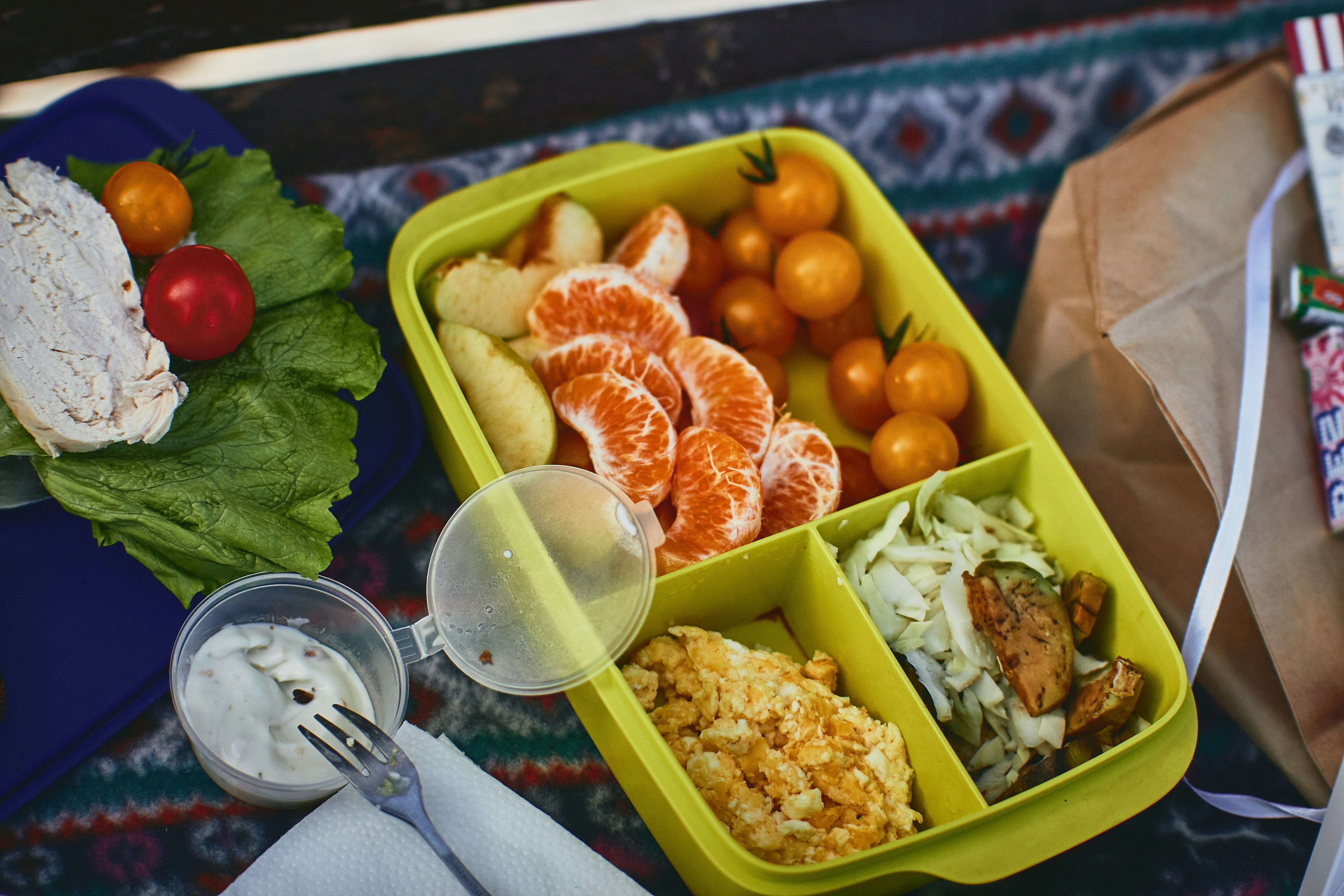
Children love variety. Instead of one big dish, pack a bento-style box with small portions: whole-wheat pasta twirls, cherry tomatoes, cucumber sticks, cheese cubes, and a handful of grapes. The visual appeal of different colours and shapes makes the meal feel like an adventure.

Roti Roll-Ups

Spread a thin layer of hummus or paneer bhurji on a warm roti, add some grated carrots and spinach, and roll it up tight. Slice into pinwheels for easy handling. It's familiar, nutritious, and fun to eat.

Fruit Kebabs with Yogurt Dip

Thread chunks of banana, strawberry, and melon onto blunt skewers. Serve with a small container of thick yogurt mixed with a drizzle of honey and a pinch of cinnamon. The dip makes it interactive, and the colours are irresistible.

Mini Idli with Chutney

Steamed mini idlis are soft, easy to chew, and gentle on little tummies. Pack them with a mild coconut chutney or a tomato dip. They travel well and taste great even at room temperature.

Pro Tip: Involve Your Child

Let your little one pick between two healthy options ("Would you like carrot sticks or cucumber today?") or help assemble their box. Children who have a say in their food choices are far more likely to eat what's packed.

Emotional Growth

Helping Your Child Navigate Big Emotions

Tantrums, tears, and sudden shyness — young children experience emotions intensely because the part of the brain that regulates feelings (the prefrontal cortex) is still developing. The good news? You can help them build emotional vocabulary and coping skills through simple, everyday practices.

Name It to Tame It

When your child is upset, resist the urge to immediately fix the problem. Instead, narrate what you see: "I can see you're feeling really frustrated right now." Giving the emotion a name activates the thinking part of the brain and helps calm the reactive part. Over time, your child will learn to label their own feelings.

The Calm-Down Corner

Create a small, cosy space at home with a soft blanket, a few books, and a feelings chart. This isn't a time-out — it's a choice. When emotions run high, gently offer: "Do you want to spend a few minutes in your calm corner?" It teaches self-regulation without shame.

Storybooks as Mirrors

Books like The Colour Monster, Lots of Feelings, and When Sophie Gets Angry give children characters they can relate to. After reading, ask: "Have you ever felt like Sophie? What did you do?" Stories create a safe distance to talk about big feelings.

Praise the Process

Instead of "You're so brave!", try "I noticed you took a deep breath when you felt nervous — that was a really smart thing to do." Praising the strategy teaches your child that emotions are manageable and that they have tools to cope.

Remember: You Are Their Anchor

Your calm presence is the most powerful regulation tool your child has. When you stay steady in the storm of their emotions, you're teaching them — through modelling — that feelings come and go, and that they are always safe with you.

5 Fun Home Activities

5 Fun Home Activities to Keep Your Toddler Engaged

Weekends and holidays don't have to mean endless screen time. Here are five simple, educational activities you can set up at home with everyday materials — each one designed to build fine motor skills, spark creativity, and create joyful bonding moments.

1. Sensory Bin Treasure Hunt

Fill a shallow plastic tub with rice, lentils, or sand and hide small toys, shaped cutters, or magnetic letters inside. Give your child a scoop and let them dig! This activity develops tactile sensitivity, hand-eye coordination, and patience. Tip: Add a few drops of food colouring to the rice for a vibrant twist.

2. Sticky Wall Art

Tape a sheet of contact paper (sticky side out) to a wall at your child's height. Offer fabric scraps, feathers, pom-poms, and tissue paper shapes. They can stick and re-stick to their heart's content — no glue, no mess. It's a wonderful way to explore colour, texture, and composition.

3. Shadow Drawing Outdoors

On a sunny morning, place toys on a sheet of paper outside and trace their shadows with crayons. As the sun shifts, the shadows change — turning a simple tracing exercise into a mini science lesson about light and movement.

4. Kitchen Counting

Cooking together is one of the most natural learning experiences. Ask your child to count out five tomatoes, pour two cups of water, or sort pasta by shape. It builds early maths vocabulary and gives them a sense of contribution to the family meal.

5. Story Basket

Fill a basket with props related to a favourite story — a toy elephant, a blue cloth (for the sea), a little boat. Let your child retell the story using the props, or invent a brand-new tale. This boosts language development, sequencing skills, and imaginative play.

← Back to Home